South Carolina · NMLS #926762
A DSCR loan qualifies a South Carolina rental on the rent it brings in instead of your tax returns. Before you make an offer, it helps to know how the property tax will change once you own it.
A DSCR loan qualifies the property instead of you. The lender compares the rent with the full monthly payment and doesn’t ask for tax returns. In South Carolina, the number that most often changes the result is property tax, because a rental is taxed differently than the home the seller was living in.
Call or text me at 704-890-7168, and we can run the numbers on a property you’re considering.
DSCR stands for debt service coverage ratio. The calculation is straightforward:
A result of 1.00 means the rent covers the payment exactly. A result of 1.20 means the rent is 20% higher than the payment. Many lenders want to see 1.00 or better. Some will go below that with a larger down payment and stronger credit.
The lender doesn’t review your tax returns, pay stubs, or employment. That’s why this loan can work well for investors whose returns show a lot of depreciation and write-offs. Your credit, down payment, and cash reserves still matter.
On a purchase, the rent figure usually comes from the appraiser’s market rent estimate. On a refinance with a tenant in place, many lenders use the lower of the lease and the appraiser’s number.
This is the part investors from other states often miss.
South Carolina taxes real estate on an assessed value, and the assessment rate depends on how the property is used. Under Title 12, Chapter 43 of the South Carolina Code, a home the owner lives in is assessed at 4% of its market value. A rental or second home is assessed at 6%.
There’s a second piece. County reassessments are capped at a 15% increase over five years, but that cap doesn’t carry over to a new owner. When a property sells, the county resets the taxable value to market value. If the seller has owned the home for a long time, they may be paying tax on a value well below your purchase price.
So if you look up the seller’s tax bill, it may be low for two reasons. Here’s an illustration. The numbers are examples, and tax rates vary by county and district.
| Seller’s bill | Your bill | |
|---|---|---|
| Taxable value | $300,000 (capped) | $400,000 (your price) |
| Assessment rate | 4% | 6% |
| Assessed value | $12,000 | $24,000 |
| Tax at 300 mills | $3,600 a year | $7,200 a year |
| Monthly | $300 | $600 |
Now apply that to the ratio. Say the rent is $2,600, and principal, interest, insurance, and dues come to $2,175. Using the seller’s $300 tax figure, the payment is $2,475 and the ratio is 1.05. Using $600, the payment is $2,775 and the ratio is 0.94.
The property and the rent haven’t changed. The tax figure has. That’s why I’d estimate the tax using the 6% assessment rate, your purchase price, and the millage for that tax district before you make an offer.
In Charleston, Mount Pleasant, Beaufort, Hilton Head, and Myrtle Beach, insurance can affect the ratio as much as taxes do. Every premium the lender requires is included in the payment.
If the property is in a special flood hazard area, the lender will require flood insurance. Along much of the coast, wind and hail coverage may be written as a separate policy with its own deductible. That can mean three policies on one property.
It’s worth getting actual quotes during due diligence. An estimate from a listing sheet may not be close.
Lenders don’t all treat short-term rental income the same way. Some want 12 months of booking history. Some use the appraiser’s long-term market rent. Some will accept a short-term rental analysis. The same property may qualify with one lender and not another.
Before you apply, check the city ordinance and the association rules. A lender may approve a loan on a property the city won’t let you rent by the night, and that risk would be yours.
Requirements vary by lender. These are typical ranges, not promises.
| Item | What’s typical |
|---|---|
| Down payment | 20% to 25% on a purchase |
| Credit | Mid 600s to start, with better terms above 700 |
| Reserves | Several months of payments left after closing |
| Property | 1 to 4 units. Condos and townhomes are reviewed case by case |
| Title | Your own name or your LLC |
| Prepayment | Usually a penalty in the first few years. It can often be shortened or bought out |
If you plan to sell or refinance within three years, let me know at the start. The loan with the lowest rate may also have the longest prepayment penalty.
In South Carolina, a licensed attorney supervises the closing, and the lender is required to ask which attorney you’d like to use. On a DSCR loan, it helps to choose one who works with investors and LLCs regularly.
If you’re closing in an LLC, expect to provide the articles of organization, the operating agreement, and the EIN letter. Most lenders will also ask you to sign a personal guarantee.
If you’re buying from out of state, ask early whether a mail-away or remote signing is available. It depends on the attorney and the lender.
If another program looks like a better fit, I’ll tell you.
If you invest in more than one state, I also offer DSCR loans in North Carolina, Virginia, and Pennsylvania. For more on the program itself, see DSCR loans for investors.
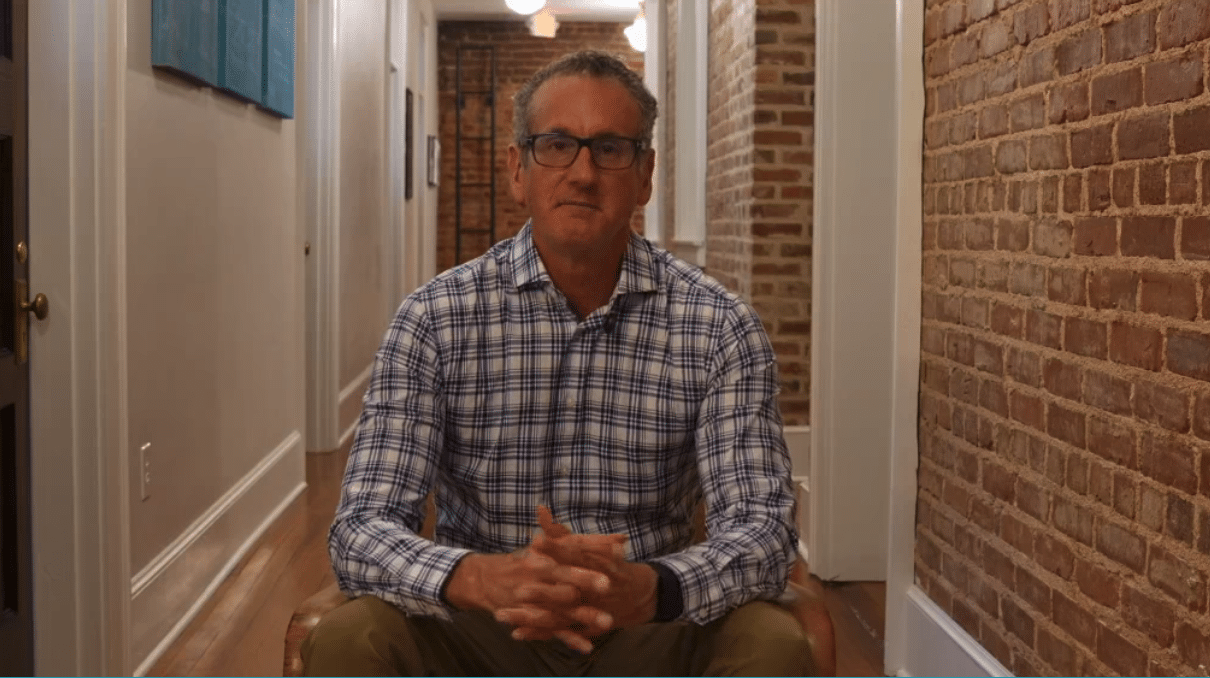
I’m Scott Hastings, a mortgage broker with Arbor Financial Group. I work out of Mooresville, North Carolina, and most of my business is with self-employed borrowers and real estate investors.
I’ve been originating mortgages for more than 20 years, and I’m licensed in South Carolina. I work with investors from Fort Mill and Rock Hill to Greenville, Columbia, Charleston, and the Grand Strand.
My individual NMLS ID is 926762. You can verify it through NMLS Consumer Access.
Mortgages by Scott has been accredited by the Better Business Bureau since 2015. WalletHub named me one of the best mortgage brokers in Charlotte for 2026.
Licensed in 13 states, including South Carolina.

No. A DSCR loan compares the property’s rent with the full monthly payment. The lender doesn’t ask for tax returns, pay stubs, or employment verification. Credit, down payment, and reserves still matter.
There are usually two reasons. A rental is assessed at 6% of market value in South Carolina, while a home the owner lives in is assessed at 4%. And when a property sells, the county resets the taxable value to market value instead of carrying over the seller’s capped value.
Yes, with most DSCR lenders. Expect to provide the articles of organization, the operating agreement, and the EIN letter, and to sign a personal guarantee.
Often, yes, but lenders treat short-term rental income differently. Some want 12 months of booking history, and some use the long-term market rent from the appraisal. It’s worth confirming that the city and the association allow short-term rentals before you apply.
Most DSCR lenders look for 20% to 25% down on a purchase. A stronger ratio and a higher credit score usually mean better terms.
Not always. A licensed South Carolina attorney has to supervise the closing, but many can arrange a mail-away or remote signing if the lender allows it. I’d ask at the start of the loan.
Text me the address, the price, your down payment and the expected rent. I will run the ratio with South Carolina tax figured at 6 percent on your price and tell you where it lands. No credit pull and no application.
Text Scott: 704-890-7168 Call 704-890-7168Scott Hastings, individual NMLS #926762. Arbor Financial Group, 121 N Main St Ste 202, Mooresville, NC 28115. Phone and text 704-890-7168. Licensed to originate mortgage loans in South Carolina.
Equal Housing Opportunity. This page is general information about loan programs and is not a commitment to lend, a loan approval, or an offer of credit. Program availability, qualifying guidelines, credit score minimums, down payment and reserve requirements vary by lender and are subject to change. Nothing here is legal, tax or financial advice.
DSCR loan programs are non-QM products intended for non-owner-occupied investment property. Ratio thresholds, down payment and reserve requirements vary by lender and are subject to change. Short-term rental rules described on this page are summaries of local ordinances as of early 2026 and are not legal advice. Confirm current requirements with the municipality and with your attorney.