South Carolina · NMLS #926762
Jumbo loans cover loan amounts above the conforming limit on primary homes, second homes, and investment property. You may be able to qualify with tax returns, bank statements, or assets.
In South Carolina, a jumbo loan is any mortgage above the conforming loan limit. For 2026, that limit is $832,750 on a one-unit home in every county in the state. Above that amount, each lender sets its own rules for down payment, reserves, and income documentation, so it’s worth comparing more than one.
Call or text me at 704-890-7168, and we can talk through your situation.
The Federal Housing Finance Agency sets the conforming limit each year. South Carolina doesn’t have any high-cost counties, so the same limit applies from Greenville to Hilton Head.
The limit applies to the loan amount, not the purchase price. For example, a $1,000,000 home with 20% down is an $800,000 loan, which is conforming. The same home with 10% down is a $900,000 loan, which is a jumbo.
Sometimes a slightly larger down payment keeps you under the limit and saves money. Sometimes the jumbo is the better option. I’d compare both before deciding.
Full documentation. The lender reviews tax returns, W-2s, or business returns and calculates a traditional debt-to-income ratio. This is usually the lowest-cost option when your tax returns support the payment. Lenders generally look for higher credit and more cash reserves than they would on a conforming loan.
Non-QM. The loan amount is the same, but the lender documents income a different way. A business owner may qualify with 12 or 24 months of bank statements. A retiree or someone living on investments may qualify based on assets. A contractor may qualify with 1099s. Rates are generally higher than full documentation.
Many banks only offer the first type. If a bank has told you the income on your tax return doesn’t support the loan, that may be a limit of the program they offer and not the end of your options.
Requirements vary by lender. These are typical ranges, not promises.
| Item | What’s typical |
|---|---|
| Down payment, primary home | 20% is standard. Some lenders may go to 10% on a strong file |
| Down payment, second home | Usually more than a primary home |
| Reserves | Often 6 to 12 months of payments, and more on larger loans |
| Credit | Around 700 and up for the best terms. Non-QM options may go lower |
| Appraisal | A second appraisal may be required on the largest loans |
Reserves are the part that surprises people most. A lender may want to see several months to a year of payments still in your accounts after closing, and retirement accounts usually count at a discount.
A lot of jumbo lending in South Carolina is on or near the water, in places like Kiawah, Sullivan’s Island, Mount Pleasant, Hilton Head, Lake Keowee, and Lake Wylie. A few things work differently there.
A business owner buying a $1,400,000 home in Greenville or Fort Mill may have the income and the cash, and a tax return that doesn’t show either one. In that case, the answer may be a different type of documentation and not a smaller house.
Bank statement loans are available well above the conforming limit, and the expense factor works the same way it does on a smaller loan. For a rough qualifying number, you can use the self-employed income calculator.
For a full list of what lenders review, see jumbo mortgage requirements.
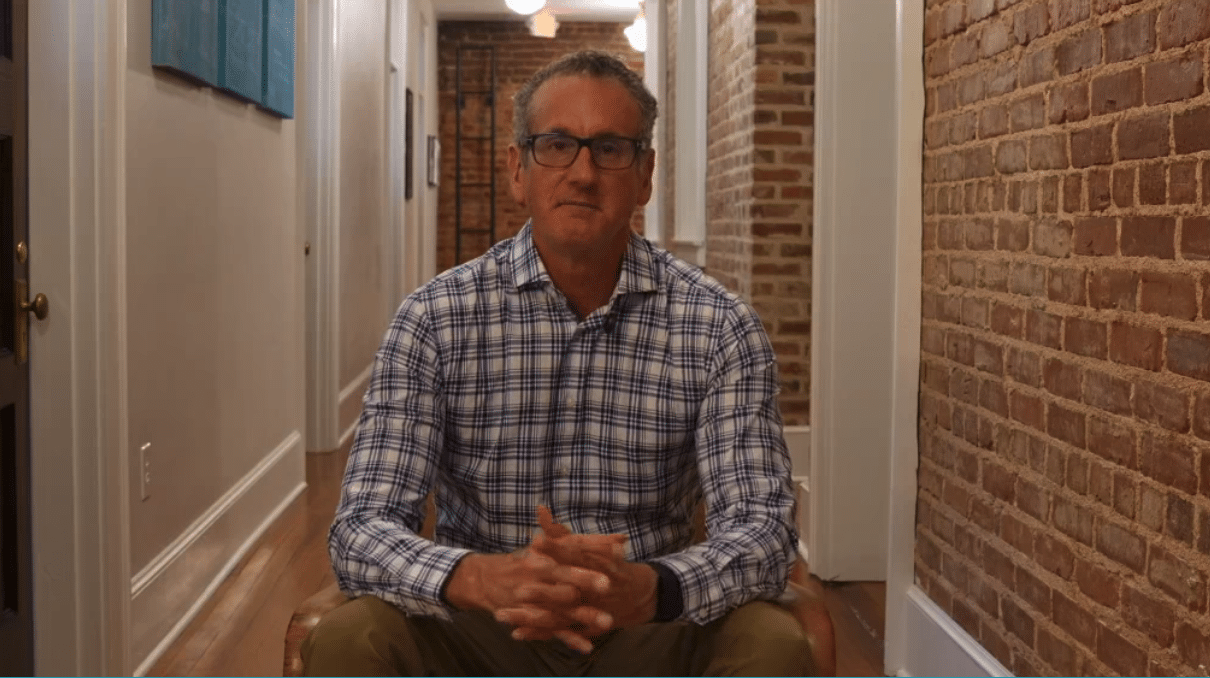
I’m Scott Hastings, a mortgage broker with Arbor Financial Group. I work out of Mooresville, North Carolina, and most of my business is with self-employed borrowers and real estate investors.
I’ve been originating mortgages for more than 20 years, and I’m licensed in South Carolina. I work with buyers from Lake Wylie and Fort Mill to Greenville, Charleston, and Hilton Head.
My individual NMLS ID is 926762. You can verify it through NMLS Consumer Access.
Mortgages by Scott has been accredited by the Better Business Bureau since 2015. WalletHub named me one of the best mortgage brokers in Charlotte for 2026.
Licensed in 13 states, including South Carolina.
For 2026, any loan above $832,750 on a one-unit home is a jumbo loan in every South Carolina county. The limit applies to the loan amount, not the purchase price.
A 20% down payment is standard. Some lenders may allow 10% down on a primary residence for borrowers with strong credit and reserves. Second homes and investment properties usually need more.
Yes. With a non-QM jumbo loan, a self-employed borrower may qualify with 12 or 24 months of bank statements, a 1099 earner with 1099s, and some borrowers based on assets. Rates are generally higher than a full documentation jumbo.
Often 6 to 12 months of the full housing payment left in your accounts after closing, and more as the loan amount goes up. Retirement accounts usually count at a discount.
Yes. A second home is assessed at 6% of market value, and a home you live in is assessed at 4%. The lender counts the full tax bill when qualifying you.
Sometimes. Buildings with nightly rentals, a front desk, or a high share of investor-owned units are often non-warrantable, which rules out conventional financing. A lender with its own condo guidelines may still be able to finance them.
Text me the price, your down payment and how you are paid. I will tell you whether it is a jumbo, which documentation type fits and what reserves to expect. No credit pull and no application.
Text Scott: 704-890-7168 Call 704-890-7168Scott Hastings, individual NMLS #926762. Arbor Financial Group, 121 N Main St Ste 202, Mooresville, NC 28115. Phone and text 704-890-7168. Licensed to originate mortgage loans in South Carolina.
Equal Housing Opportunity. This page is general information about loan programs and is not a commitment to lend, a loan approval, or an offer of credit. Program availability, qualifying guidelines, credit score minimums, down payment and reserve requirements vary by lender and are subject to change. Nothing here is legal, tax or financial advice.
DSCR loan programs are non-QM products intended for non-owner-occupied investment property. Ratio thresholds, down payment and reserve requirements vary by lender and are subject to change. Short-term rental rules described on this page are summaries of local ordinances as of early 2026 and are not legal advice. Confirm current requirements with the municipality and with your attorney.