South Carolina · NMLS #926762
If you’re self-employed, your tax return may not show what your business really brings in. A bank statement loan gives the lender another way to look at your income.
A bank statement loan lets the lender look at the deposits going into your account instead of the income on your tax return. If your accountant has done a good job lowering your taxable income, your return may not support the home you can actually afford. This loan gives the lender another way to see it.
Call or text me at 704-890-7168, and we can talk through your situation.
If you own a business, your accountant’s job is to reduce your taxable income. Depreciation, vehicle expenses, a home office, and other deductions all help with that.
The trouble is that a conventional lender uses that same tax return to decide how much you can borrow. The deductions that saved you money on taxes also reduce the income the lender is allowed to count. You may be doing well and still be told your income is too low.
A bank statement loan doesn’t use the tax return. The lender reviews your deposits instead.
Here’s the basic process:
The expense factor is the part to pay attention to. Many lenders start at 50% for a business account. If your business runs on lower overhead, a letter from your CPA or a profit and loss statement may support a lower factor.
For example, say your business deposits $40,000 a month. At a 50% expense factor, the lender may count $20,000 a month as income. If your CPA documents that your expenses are closer to 30%, the qualifying income would be $28,000. That’s an illustration, not an approval, but it shows why the factor is worth asking about.
If you own part of the business, the lender will usually count only your ownership share. Some lenders will also review personal statements instead of business statements, and the calculation can work differently. I’d compare both before deciding.
A lot of South Carolina businesses are. If you manage vacation rentals on the Grand Strand, run charters out of Charleston, or do landscaping in the Upstate, your deposits may be strong for part of the year and light for the rest.
Seasonal income is usually fine as long as the lender understands it. A full 12 months of statements covers one complete cycle. Where it can get harder is when your most recent statements are the slow months, because the lender sees deposits dropping right before you apply.
A short explanation of how the business earns, along with the prior year showing the same pattern, usually answers the question. It’s also worth comparing 12 months against 24. If last year was the weaker year, 12 months may help. If this year is the softer one, 24 months may give a more balanced picture.
Requirements vary by lender. These are typical ranges, not promises.
| Item | What’s typical |
|---|---|
| Statements | 12 or 24 months, personal or business |
| Time in business | Two years of self-employment is the norm |
| Down payment | 10% may be possible with strong credit. Lower scores usually need more |
| Reserves | Several months of payments left after closing |
| Property | Primary homes, second homes, and investment property |
| Not required | Tax returns, W-2s, or pay stubs |
Bank statement loans generally have higher rates than conventional loans. I can’t give you a reliable rate from a web page, but I can compare your file with several lenders and show you the options next to each other.
This isn’t a loan rule, but it affects your payment.
South Carolina assesses a home you live in at 4% of its value and other property at 6%. The 4% rate isn’t automatic. Under the state statute, you have to apply for it with your county assessor, and there’s a deadline tied to the tax year. If you miss it, the home you live in may be taxed like a rental until it’s corrected.
I’d put that application on your list for the week after closing. Your escrow payment may also be adjusted once the county issues a tax bill in your name, because the first year is an estimate.
A bank statement loan isn’t always the right answer.
If another program looks like a better fit, I’ll tell you. For a rough number before we talk, you can use the self-employed income calculator.
If you’re in the Upstate, see mortgage broker in Greenville. I also offer bank statement loans in North Carolina, Virginia, and Pennsylvania.
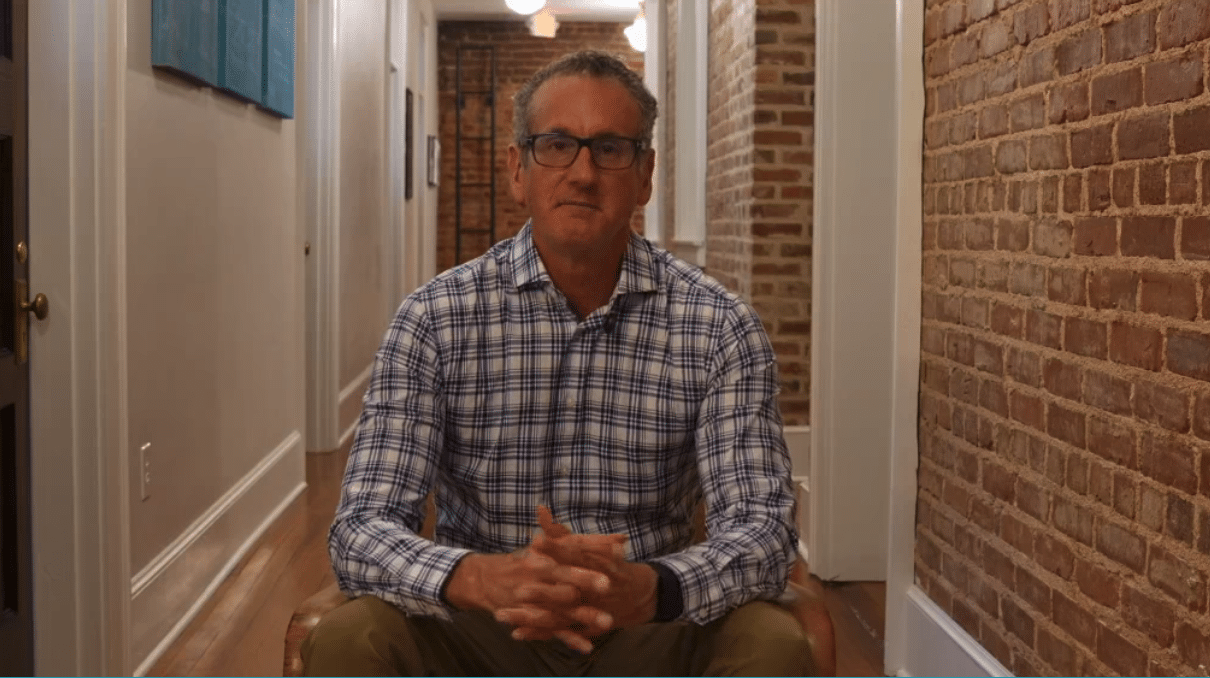
I’m Scott Hastings, a mortgage broker with Arbor Financial Group. I work out of Mooresville, North Carolina, and most of my business is with self-employed borrowers and real estate investors.
I’ve been originating mortgages for more than 20 years, and I’m licensed in South Carolina. I work with borrowers from Fort Mill and Rock Hill to Greenville, Columbia, Charleston, and the coast.
My individual NMLS ID is 926762. You can verify it through NMLS Consumer Access.
Mortgages by Scott has been accredited by the Better Business Bureau since 2015. WalletHub named me one of the best mortgage brokers in Charlotte for 2026.
Licensed in 13 states, including South Carolina.
No. The lender reviews 12 or 24 months of bank statements instead. Tax returns, W-2s, and pay stubs aren’t part of the file.
It depends on which period gives the stronger, steadier average. If your most recent year was better, 12 months may help. If it was a soft year, 24 months may balance it out. Not every lender offers both, so I’d compare them first.
Often, yes. Some lenders will review personal statements, and the calculation can work differently than it does with business statements. I’d run both before deciding.
Usually not, as long as the lender understands it. A full 12 months covers one complete cycle, and a prior year showing the same pattern answers most questions.
A 10% down payment may be possible on a primary residence with strong credit. Lower credit scores, second homes, and investment properties usually need more.
No. You have to apply for the 4% assessment ratio with your county assessor. Until it’s approved, the property is assessed at 6%.
Text me what you do, how long you have done it and a rough monthly deposit figure. I will tell you which program fits and what the numbers look like. No credit pull and no application.
Text Scott: 704-890-7168 Call 704-890-7168Scott Hastings, individual NMLS #926762. Arbor Financial Group, 121 N Main St Ste 202, Mooresville, NC 28115. Phone and text 704-890-7168. Licensed to originate mortgage loans in South Carolina.
Equal Housing Opportunity. This page is general information about loan programs and is not a commitment to lend, a loan approval, or an offer of credit. Program availability, qualifying guidelines, credit score minimums, down payment and reserve requirements vary by lender and are subject to change. Nothing here is legal, tax or financial advice.
DSCR loan programs are non-QM products intended for non-owner-occupied investment property. Ratio thresholds, down payment and reserve requirements vary by lender and are subject to change. Short-term rental rules described on this page are summaries of local ordinances as of early 2026 and are not legal advice. Confirm current requirements with the municipality and with your attorney.