Greenville, SC
Where the jumbo line actually sits in Greenville County, why it gets harder when you own a business, and the programs that get it done without leaning on your tax returns.
You are buying in Augusta Road, North Main or out toward The Cliffs, and the price puts you over the conforming limit. Your business is doing well. Your tax returns, after everything your CPA wrote off, say something smaller.
That is the exact spot where a jumbo loan gets hard. So let me walk through where the line is, why it bites self-employed buyers in particular, and what actually works.
For 2026, the conforming loan limit for a one-unit home in Greenville County is $832,750. That is the national baseline set by the Federal Housing Finance Agency, and Greenville County sits at the baseline. Any loan above that amount is a jumbo loan.
Notice that the limit applies to the loan, not the price. That matters more than people expect:
The limit resets every January, so check the current figure before you plan around it. I will always tell you where your number lands before you write an offer.
Most people assume a bigger loan comes with looser rules for wealthier buyers. It is the opposite. A full-documentation jumbo loan usually wants more paperwork than a conventional loan, not less. Two years of tax returns, larger reserves, and an underwriter who reads your Schedule C line by line.
In other words, the buyer shopping the Greenville neighborhoods where jumbo is common is also the buyer most likely to get squeezed. They need the largest loan and they have the least conventional paperwork. That combination is a narrow specialty, and it is most of what I do.
These are non-QM jumbo programs. They document income, just not with the tax return.
The honest trade: these programs price higher than a conventional jumbo and usually want a larger down payment and more reserves. The exact numbers depend on the lender, your credit and the loan size, which is why the lender matters as much as the program.
If you are close to $832,750, run it both ways. Putting more down to land a conforming loan can beat a jumbo on both rate and paperwork. And if you are self-employed, a conforming bank statement loan under the limit is often a simpler file than a non-QM jumbo over it.
This is not always the answer. Tying up extra cash has a cost too. But it is a comparison worth making before anyone picks a program for you.
Greenville proper, including Augusta Road, North Main, Alta Vista, Chanticleer, Parkins Mill and Montebello, plus Greer, Simpsonville, Five Forks, Travelers Rest, Easley and Powdersville. Second homes in The Cliffs communities as well, where lenders review the property and the community on their own terms.
I work these loans remotely from Mooresville, and your closing happens locally. What makes someone eligible to do your loan is a South Carolina license, not a Greenville street address.
Not sure which side of the line you are on? Text me your price point and roughly how you get paid, and I will tell you whether you are conforming or jumbo, and which program fits, before you send a single document.
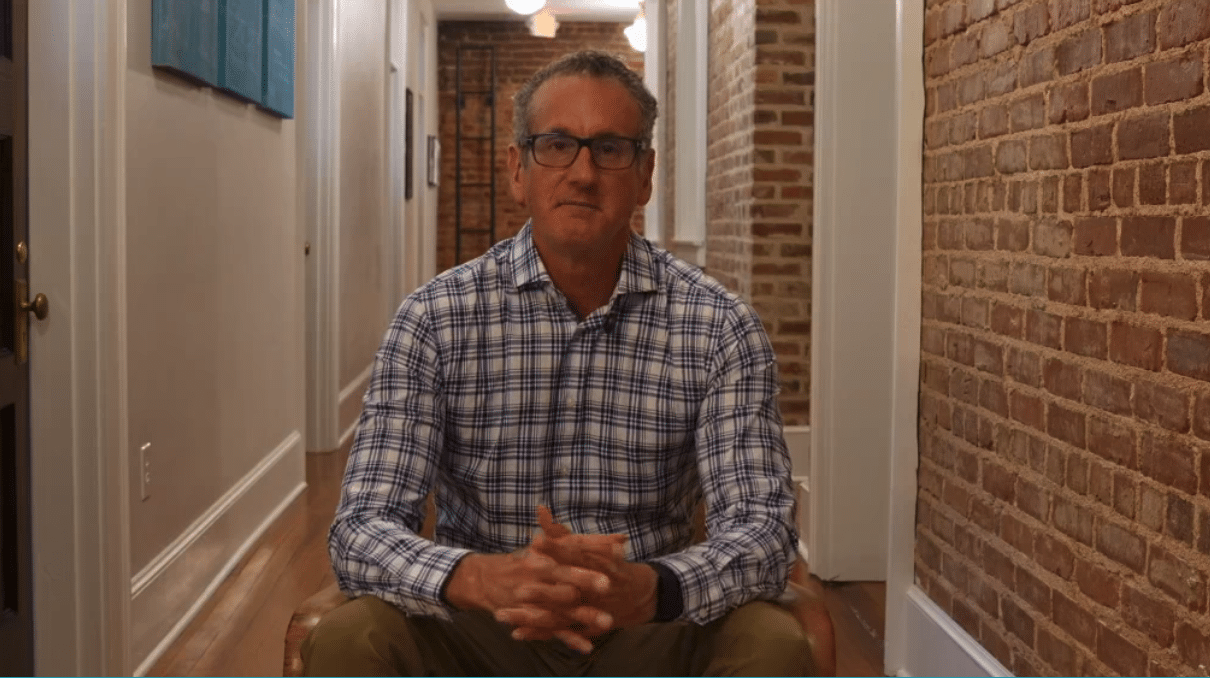
I am Scott Hastings, NMLS #926762, licensed in South Carolina and twelve other states. Almost all of my work is with self-employed business owners and real estate investors whose tax returns do not reflect what their business actually does.
If a conventional loan or staying under the conforming limit would serve you better than a jumbo, I will tell you that in the first conversation.
For 2026 the conforming loan limit for a one-unit home in Greenville County is $832,750, the national baseline set by the Federal Housing Finance Agency. Any loan above that amount is a jumbo loan. The limit applies to the loan amount, not the purchase price, and it is reset each January.
Yes. Besides full-documentation jumbo loans that rely on tax returns, non-QM jumbo programs qualify self-employed borrowers using twelve or twenty-four months of bank statements, a profit and loss statement, 1099 totals, or liquid assets. A DSCR loan can qualify a Greenville investment property on its rent.
It depends on the lender, the program, your credit and the loan size. Jumbo loans generally require a larger down payment and more reserves than conforming loans, and non-QM jumbo programs for self-employed borrowers usually ask for more than full-documentation jumbo loans do.
Often it is worth comparing. A loan at or below $832,750 in Greenville County is conforming, which can mean simpler documentation and better pricing. Whether that beats a jumbo depends on what the extra down payment costs you in cash you would otherwise keep.
Second homes are eligible on many jumbo programs, including some non-QM jumbo programs. Lenders review the property and the community individually, so the specific community and property type should be checked with the lender before you write an offer.
No. What matters is a broker licensed in South Carolina with access to jumbo and non-QM lenders that serve the Upstate. I am licensed in South Carolina under NMLS #926762 and work these loans remotely while the closing happens locally.
You can verify any mortgage broker or lender, including me, at the NMLS Consumer Access database. Conforming loan limits are published each year by the Federal Housing Finance Agency. Mortgage licensing in South Carolina is administered by the South Carolina Department of Consumer Affairs.
Find out in one text whether you are conforming or jumbo
Send me two things: your price point and down payment and how you get paid, whether that is 1099, business deposits, K-1 or a mix. That is enough for me to tell you which side of the line you are on and what it will take.
No application. No documents. Nothing that touches your credit. If a conventional loan would serve you better, I will say so.
Text me: 704-890-7168Or call the same number
Scott Hastings, NMLS #926762. Mortgages by Scott, a division of Arbor Financial Group. 121 N Main St Ste 202, Mooresville NC 28115. Licensed in South Carolina. Equal Housing Opportunity. Conforming loan limits are set annually by the FHFA, and program guidelines are set by individual lenders and change without notice. This page is general information current as of September 2026, not a commitment to lend or an offer of credit, and no rate, term or approval is promised. Message and data rates may apply.